# South Natick Real Estate: A Historic, Family-Friendly Village Worth Coming Home To
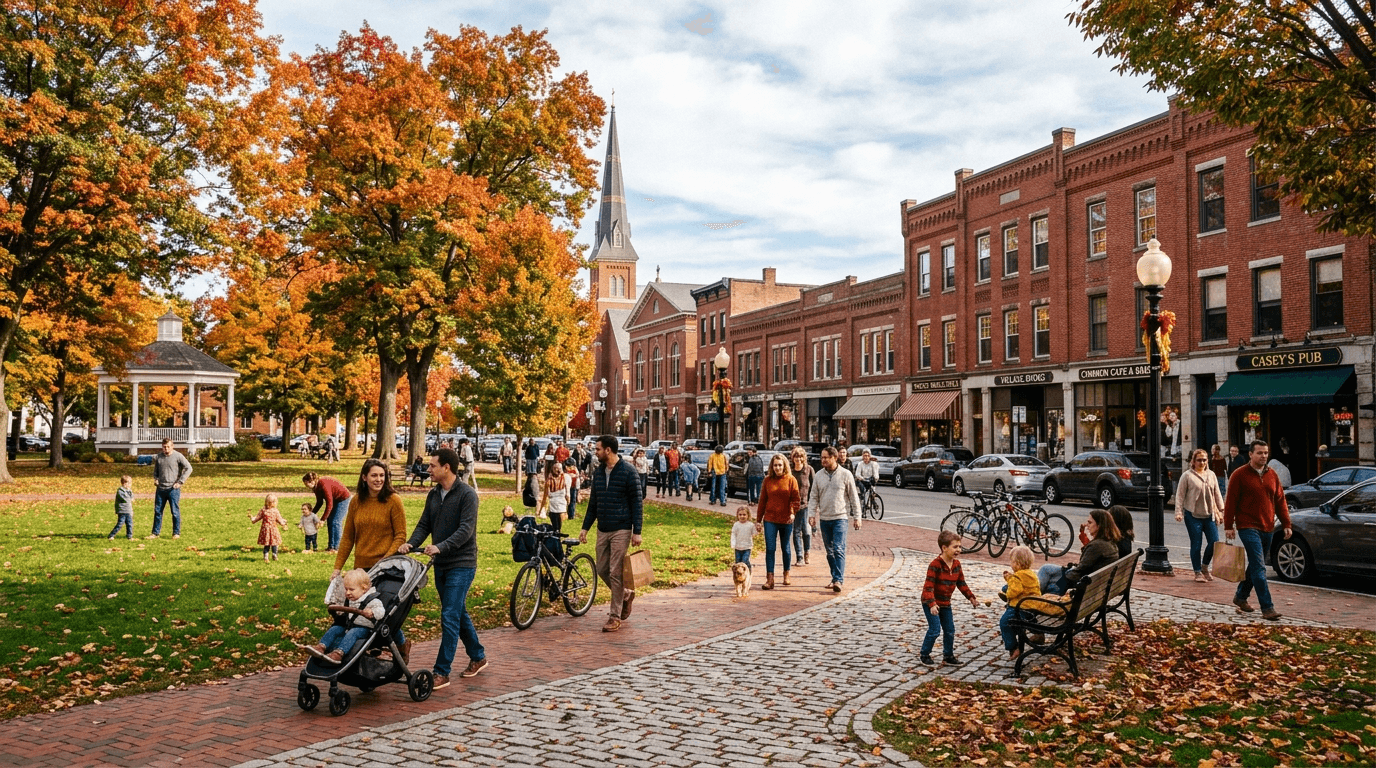
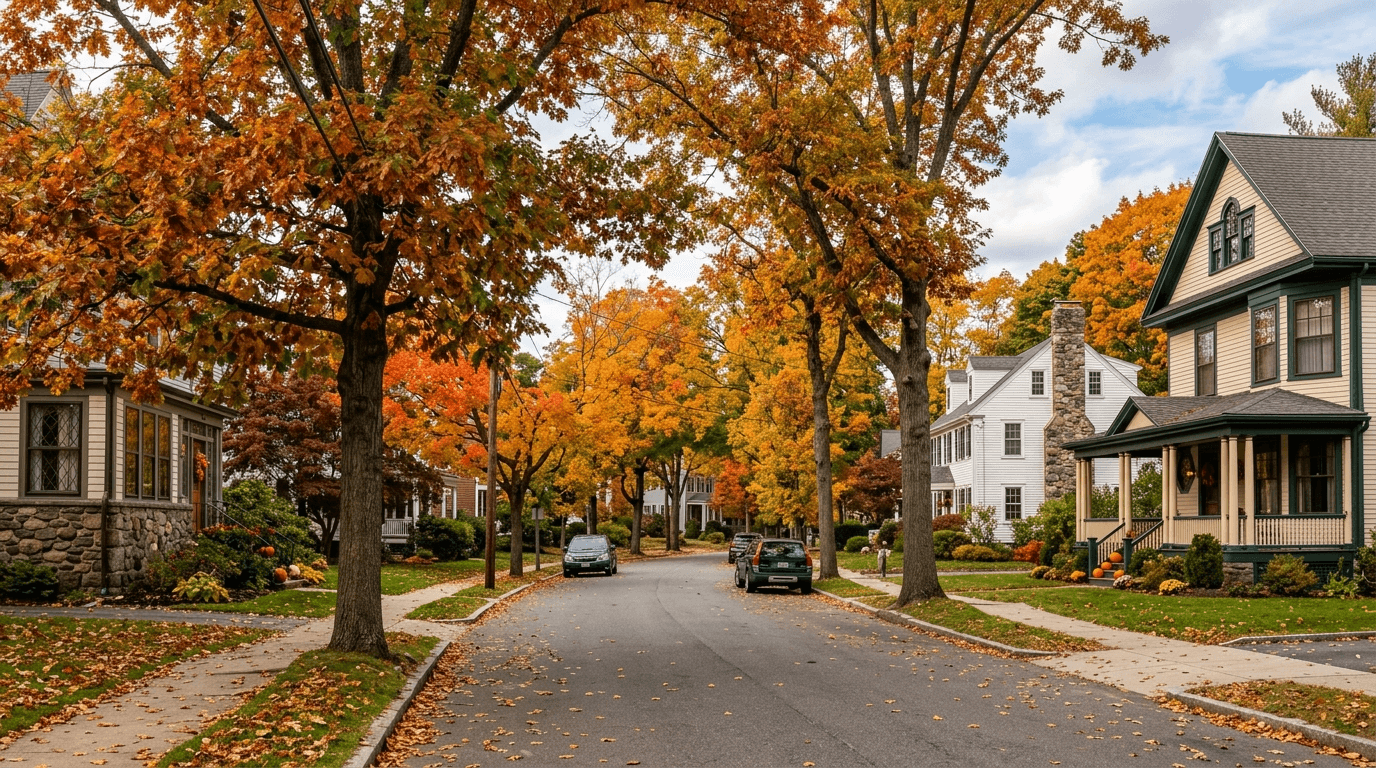
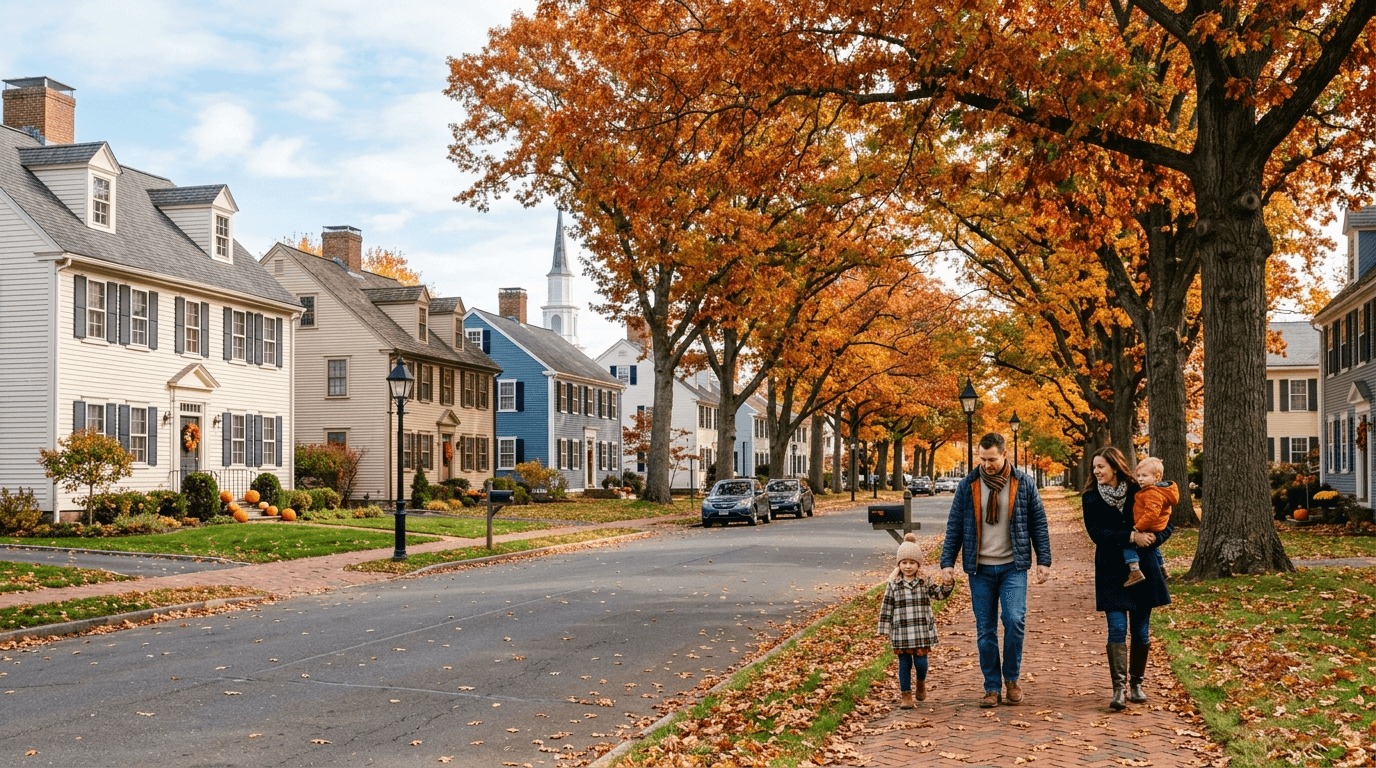
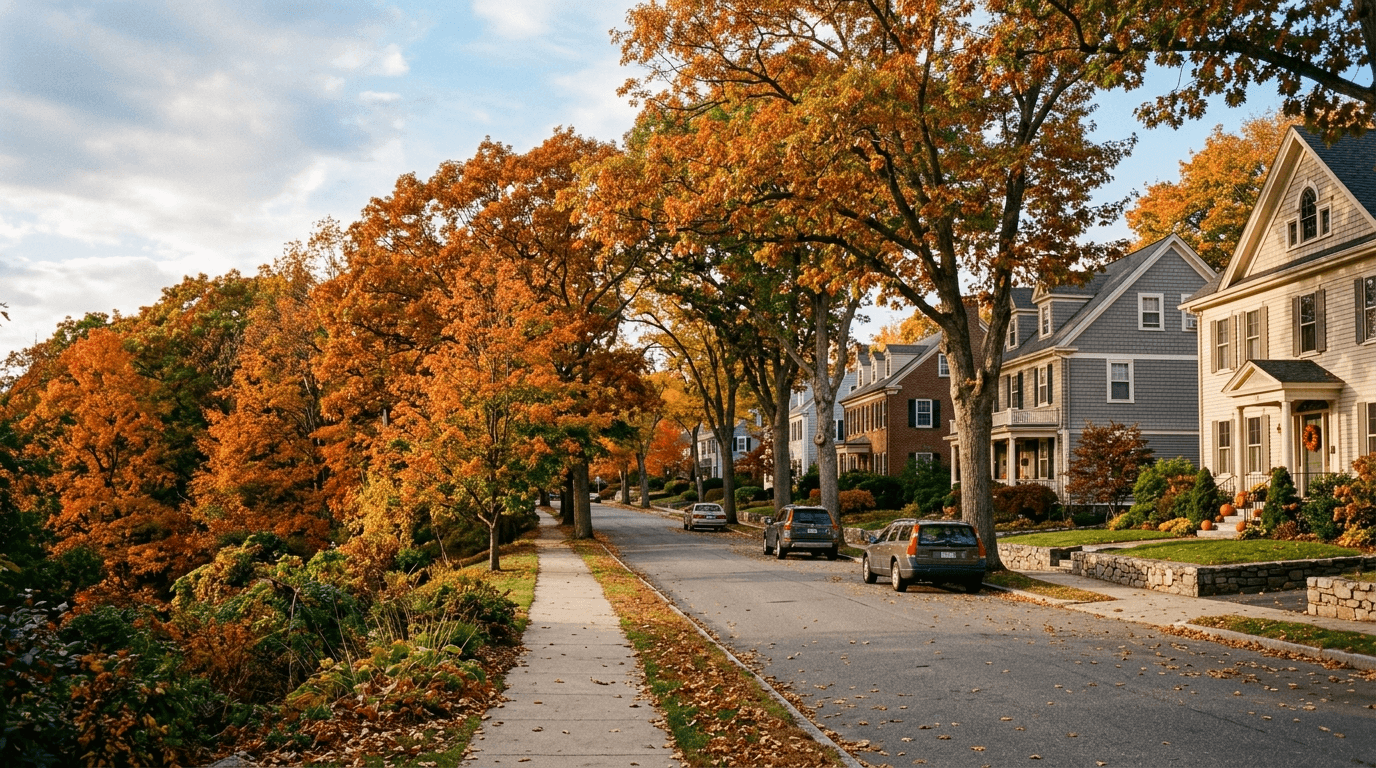
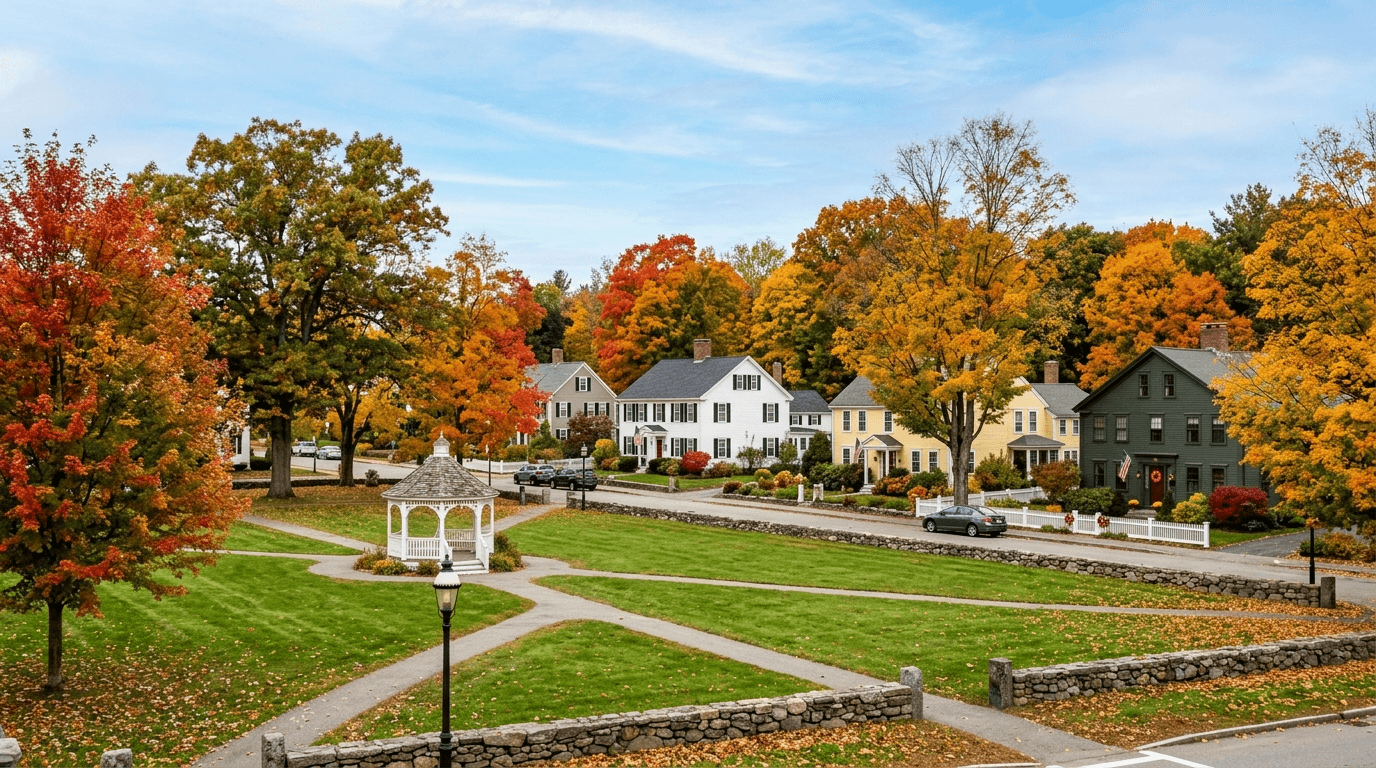
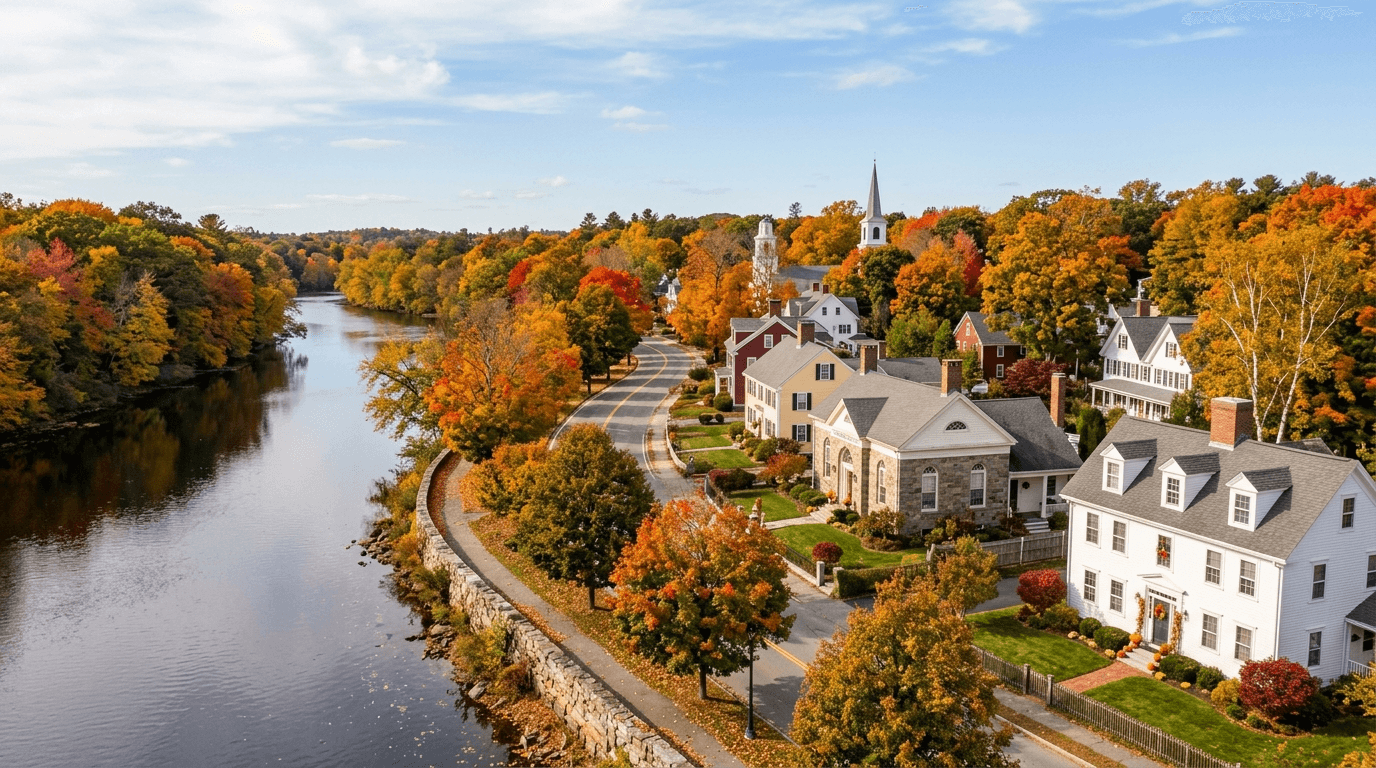
South Natick is one of those rare corners of MetroWest where a young family can put down roots in a tree-lined, historic village, walk to the Charles River on a quiet Sunday morning, and still get into Boston without too much fuss. When I tour homes here with parents, the word I hear again and again is calm. It's the kind of place where kids ride their bikes to the ball fields and neighbors actually know one another by name.
What follows is the practical, logistics-first guide I hand to families moving to South Natick: what the commute really feels like, how the school run works, and where you'll run your everyday errands.
But first, a quick look at where the wider Natick market stands as of spring 2026. It's helpful context as you think through timing and competition.
Natick Spring 2026 Housing Snapshot
Headline relocation numbers for families weighing timing, competition, and buy-versus-rent logistics in Natick as of spring 2026.
Listing Price Stats
Median Listing Price$982,500
Year-over-Year Change-6.43%
Month-over-Month Change1.39%
Market Metrics
Median Days on Market17
Sale-to-List Price Ratio100%
Market TypeSeller's market
Realtor Hotness IndexVery hot market
Rental Price Stats
Median Rental Price$2,740
With a median listing price around $982,500, homes selling in a median of 17 days, and a 100% sale-to-list ratio, this is a genuine seller's market. The families who do best here are the ones who come prepared, with financing lined up and their priorities clear.
What's the Commute Like from South Natick to Boston and the Route 128 Corridor?
Most families heading into downtown Boston should plan for roughly 45 to 55 minutes by car during the morning rush, though the Natick Center commuter rail station offers a lower-stress alternative just a short drive from the village.
South Natick itself is a quiet residential village with no train station of its own, so your options really come down to two.
•Driving: I-90 (the Mass Pike) and Route 9 are the main routes into the city. On a typical weekday morning, downtown Boston is about a 45–55 minute drive. I'll be honest with you here: traffic across Natick is often described as highly congested, and rush hour is the worst of it. If you can leave a little earlier or work a hybrid schedule, you'll feel the difference right away.
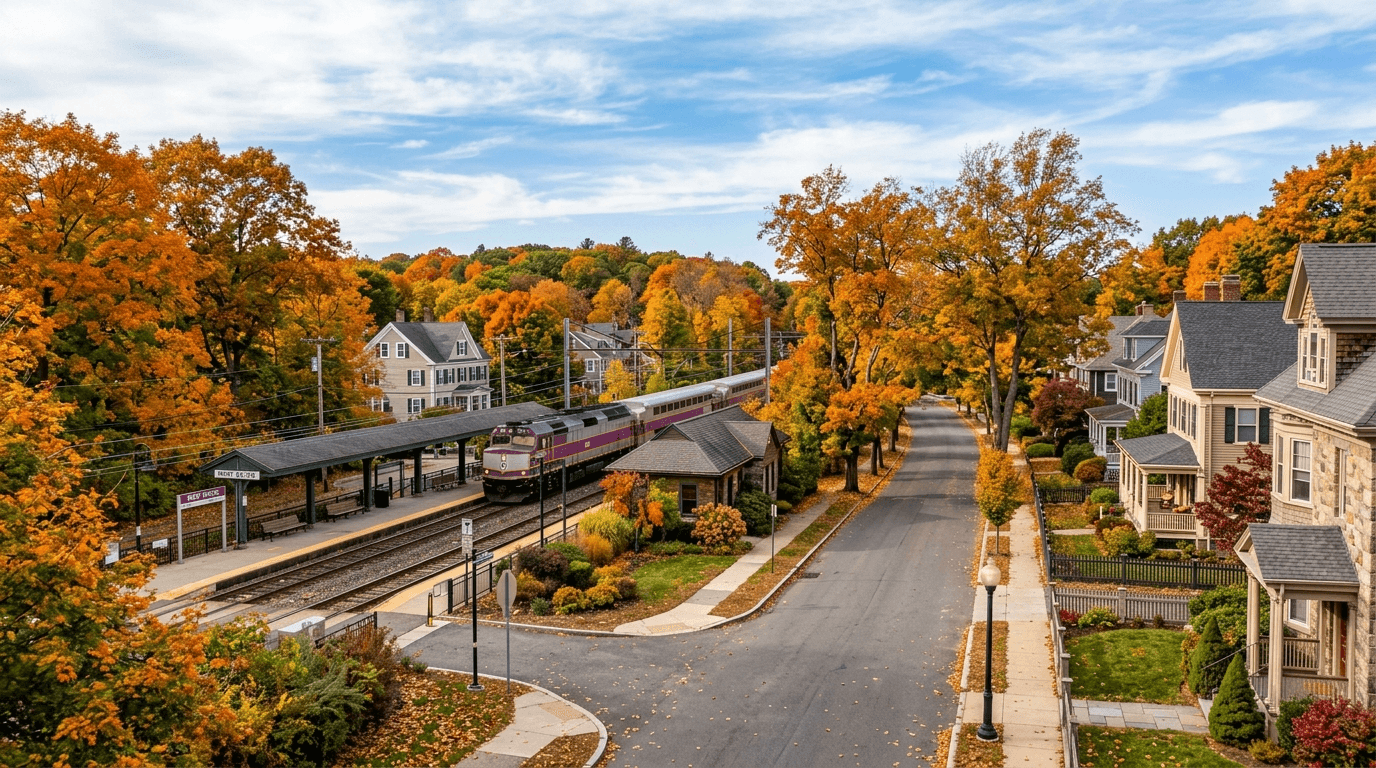
•Commuter rail: The MBTA Framingham/Worcester Line stops at Natick Center, a short drive from the village. For parents who'd rather answer emails or read a book than wrestle with Pike traffic, the train is the option most of my clients come to rely on. I always suggest checking current schedules and daily parking availability with the MBTA before you commit, since lot capacity and pricing do shift.
For dual-income families, the Route 128 tech corridor is South Natick's quiet advantage. It's a much shorter hop than downtown, which makes the village especially appealing when one parent works in the suburban tech belt and the other commutes into the city. Massachusetts has one of the strongest job markets in the country, and South Natick's central MetroWest spot lets you reach plenty of those employers without living right on top of them.
Insider note: Compared with the denser towns closer to Boston, South Natick trades a bit of commute convenience for that quiet village feeling. For most of the families I work with, that's exactly the trade they're hoping to make.
What Are the Schools Like, and How Close Are They?
Natick Public Schools serve just over 5,200 students across the district and are consistently ranked among the best in the state, with elementary, middle, and high schools all a short drive from South Natick's historic neighborhoods.
This is the question I hear most often, and understandably so. Here's how the school run actually plays out day to day.
Enrollment by Natick Public School, 2025-26
A practical school-capacity view for families comparing elementary, middle, and high school scale across Natick Public Schools.
•Elementary: South Natick families feed into Natick's elementary network. With several schools spread across town — Bennett-Hemenway, Brown, Lilja, and Memorial, each serving roughly 430–500 students — class sizes stay manageable and the feel stays community-sized rather than overwhelming.
•Middle and high school: From there, students move on to Wilson Middle (722 students) or J.F. Kennedy Middle (867), and eventually to Natick High, the district's largest building at 1,753 students. A bigger high school means broader course offerings and a genuinely academically rigorous program, which families thinking long-term tend to appreciate.
The neighborhood feel matters here, too. South Natick's village core has well-kept sidewalks, and the Bacon Free Library — a much-loved local landmark right in the village — is exactly the kind of safe, walkable anchor parents want for after-school stops. Kindergarten is full-day for every student, which takes a major childcare headache off the table for working parents.
One important note if you're relocating from out of district:
Data Table
| School Choice Detail | Status |
|---|---|
| Application Status | Not accepting applications |
| Academic Year | 2026–2027 |
| Vote Date | May 2026 |
Natick remains a school choice district, but the School Committee voted not to accept new school choice applications for the 2026–2027 year, mostly because elementary building projects need swing space. The takeaway is simple: if you want your children in Natick schools, buying or renting within Natick is the reliable path. You can't count on a choice seat right now. This is one I flag early with every family, because it directly shapes where you'll want to be looking.
It's also worth understanding the broader community as you weigh the district.
Natick District vs. Massachusetts Enrollment Mix, 2025-26
Compares Natick Public Schools’ student demographic mix with statewide averages, useful for families evaluating community context.
% of District
% of State
Natick's enrollment skews more Asian (12.2% vs. 7.6% statewide) and White (67.6% vs. 50.8%) than the Massachusetts average, with a strong tradition of college-educated households. Massachusetts, after all, has one of the highest concentrations of college-educated residents in the country.
What's Day-to-Day Life Like in South Natick?
South Natick blends small-village charm with quick access to full-service errands — groceries, fuel, and a major medical center are all a short drive away, while coffee, parks, and dining sit right in the neighborhood.
Here's how a typical week tends to unfold.
•Groceries and fuel: The village center keeps daily life close. For a quick bite, families lean on spots like the Pizza Shop At South Natick . For full weekly grocery runs and gas, Natick Center and its surrounding plazas are a short drive away and cover everything you'll need. I'd suggest confirming exact drive times for your specific street, since South Natick spreads across a wide, leafy area.
•Healthcare: Parents consistently ask about pediatric and emergency care. MetroWest Medical Center in neighboring Framingham is the nearest major hospital and an easy drive from South Natick — close enough for real peace of mind on a sick day, without living in the middle of a busy hospital district.
•Everyday charm: This is where South Natick truly shines. Morning coffee at Charles River Coffee House , a weekend stroll to South Natick Dam Park to watch the falls, Little League down at the local fields. This is the texture of life families move here for. Summer farmers markets run weekly, and the village's mix of historic beauty and everyday convenience is genuinely hard to find anywhere else in MetroWest.
What Should Families Budget for Property Taxes?
A quick word on the budget side, since it shapes your monthly numbers. Natick uses a single, uniform tax rate of $12.17 per $1,000 of assessed value for FY2026 — the same rate for residential and commercial property.
Natick Property Tax Rate Trend, FY2020-FY2026
Shows recent Natick residential property tax rate movement, a key monthly-budget planning input for relocating homeowners.
Historical Rates
Current Rate
The encouraging part is the multi-year trend. The rate has actually drifted down, from $13.61 in FY2020 to $12.17 today. To put it in real terms, a home assessed at $900,000 would carry an annual tax bill of about $10,953 at the current rate. Bills go out quarterly — due August 1, November 1, February 1, and May 1 — which helps spread the cost across the year instead of landing in two big hits.
The Bottom Line for Families Moving to South Natick
South Natick offers a rare combination: a historic, walkable village with strong, sought-after schools, manageable access to both Boston and the Route 128 tech corridor, and full-service amenities just minutes away. The trade-offs are real — a competitive seller's market, rush-hour congestion, and a cost of living above the national average — but for families who put community, schools, and quiet charm first, it's hard to beat.
If you're weighing South Natick against the denser towns closer to the city, my honest read is this: you give up a little commute convenience and gain a tremendous amount of everyday quality of life. When you're ready, I'd be glad to walk specific neighborhoods with you, confirm exact drive times and station logistics from any street you're considering, and help you put together an offer strong enough to win in this market.
Your home. Your village. Your advocate. Let's begin.