
Key Takeaways
•The short answer: Families drawn to Alewife usually want calm, space and a routine that works for kids. Price pressure is part of the equation too.
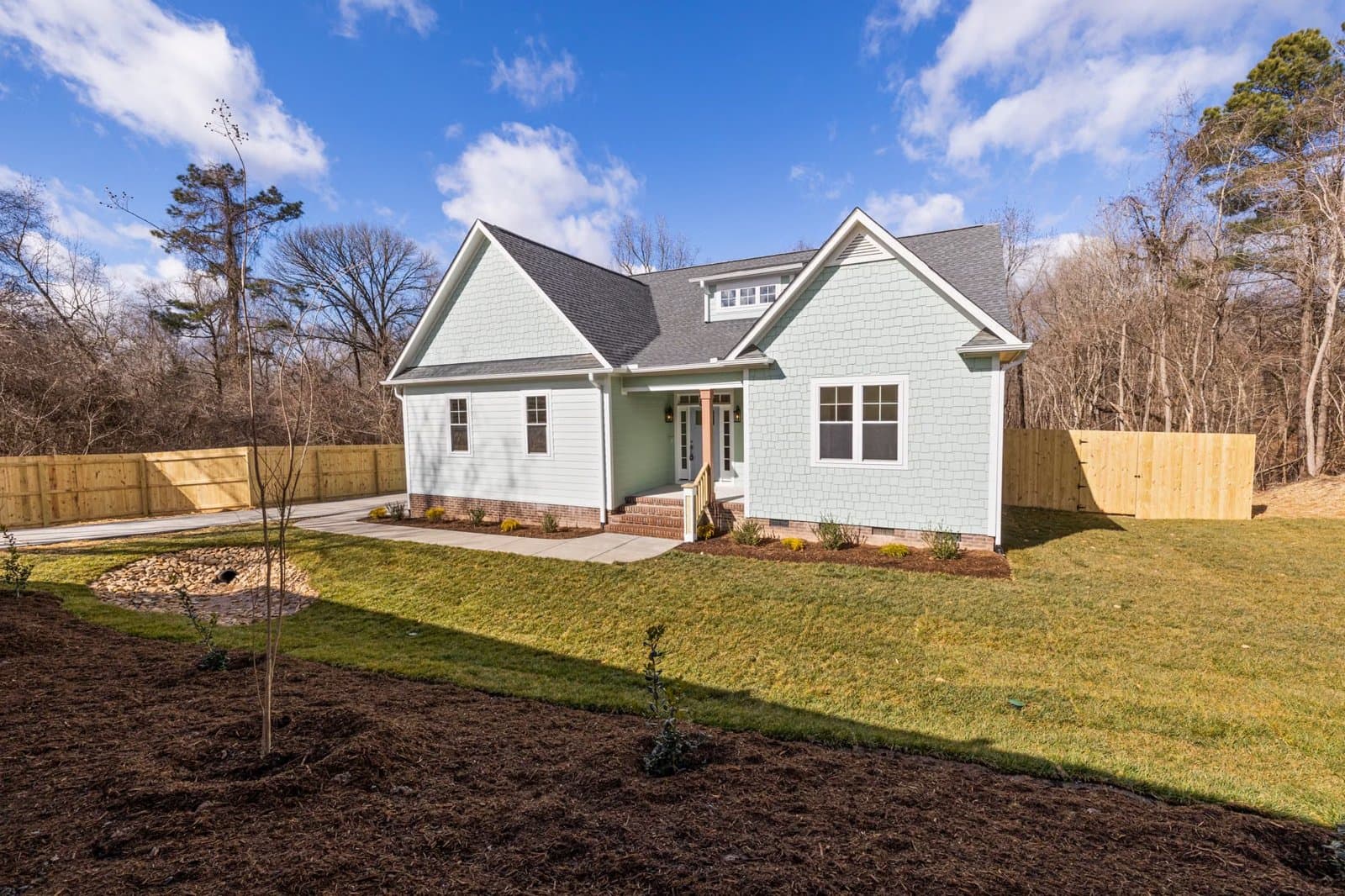
•The space reality: New construction has slowed citywide, so 4+ bedroom homes are scarce everywhere. Established pockets like Alewife deserve a spot on your list.
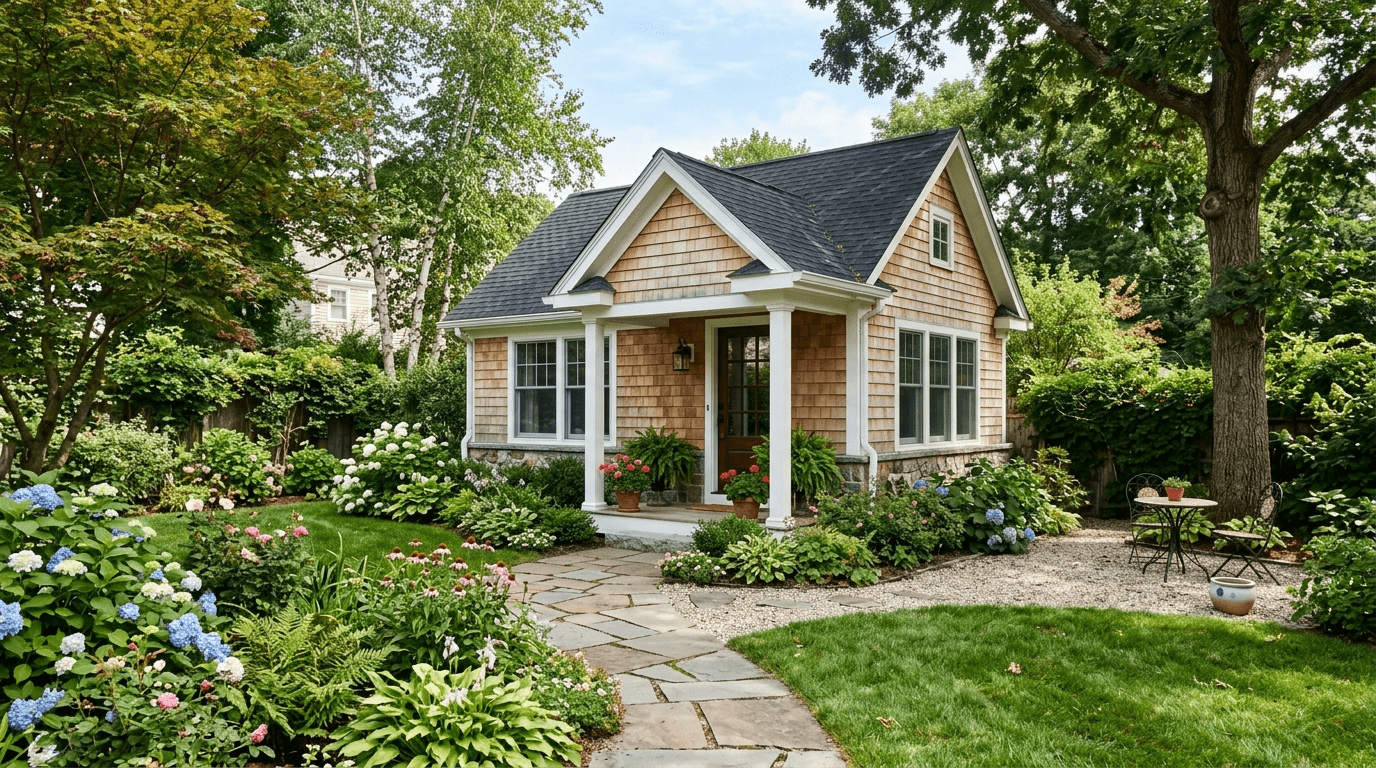
•The long game: According to the state's housing office, a state law lets many single-family lots add a small second home without a special permit. Few owners have built one so far, so treat it as an option, not a plan.
•The honest caveat: No sales or migration data proves families pick Alewife over other Cambridge pockets. Tour it and judge for yourself.
Why Are Some Cambridge Families Trading the Squares for Alewife?
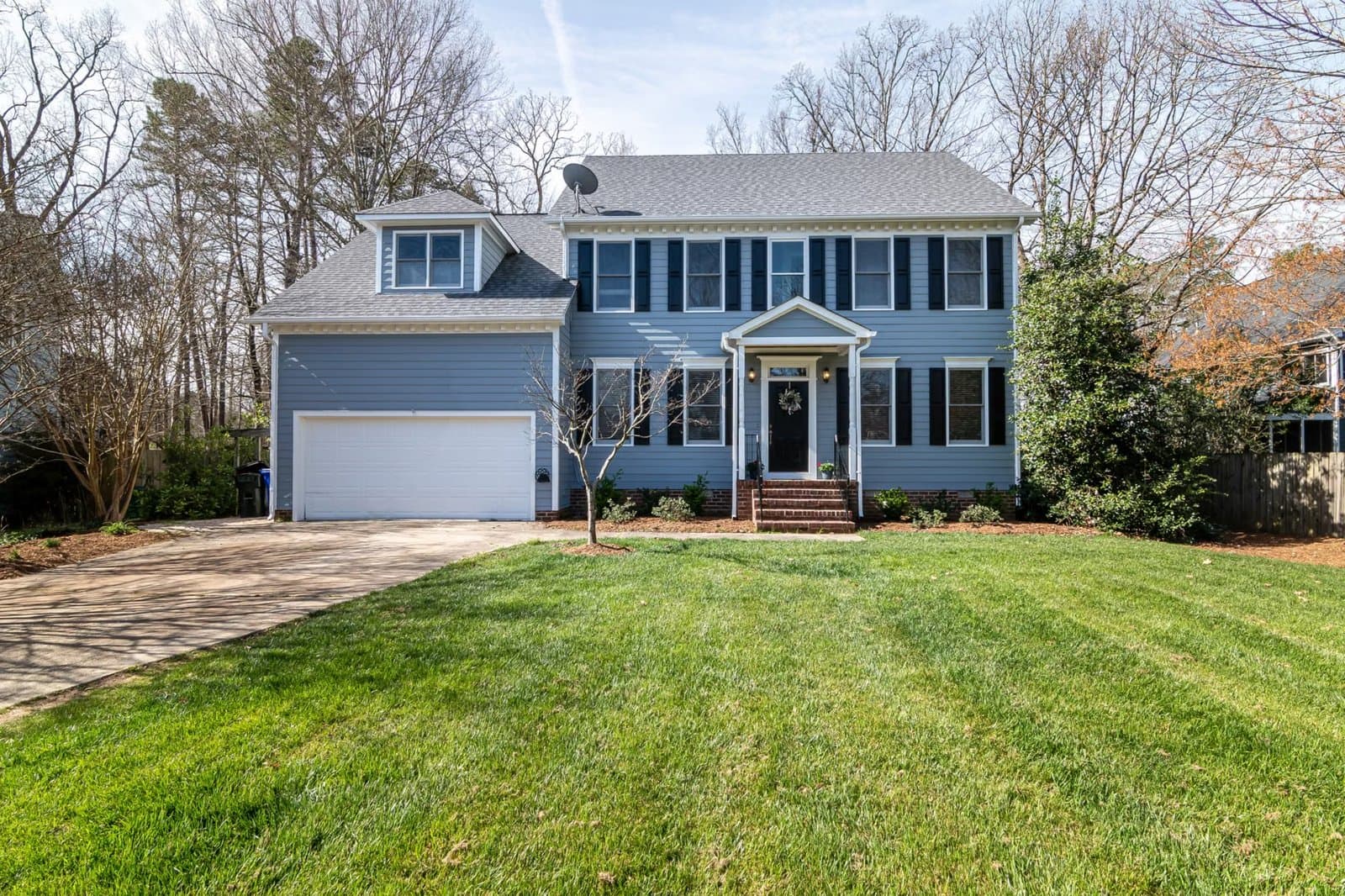
Picture a family in mid-October 2026, leaving a two-bedroom walk-up near Harvard Square for a four-bedroom house near a public pool and ball fields.
For many families, that move comes down to more bedrooms, calmer streets and a daily routine that works for kids — and to stretching a budget in a costly city.
Residents often describe Alewife as quieter and more family-focused than the squares, pointing to Russell Field, the pool, parks and on-street parking. That's a consistent local view, not proof.
The clearest trade-off is walkability. Expect to run fewer errands on foot than you would near Harvard, Porter or Central.
Why Do Cambridge Families Run Out of Room?
Supply is the root problem across the city, not just in Alewife.
In 2010, Cambridge had 44,032 households averaging 2.00 persons, and family households made up just 39.6% of the total. Fewer than 4 in 10 Cambridge households were families even then, which means large family homes have long been a small slice of the market.
Cambridge Household Structure Snapshot
Household counts, family-household share, and average household and family size for Cambridge in 2010.
2010 households
All Households (Total Households)44,032
Persons per Household2.00
Family Households (count)17,420
Persons per Family2.76
% Family Households39.6%
According to the Housing Report Card, cited by Boston.com, new housing permits as of July 2025 were down 44% from July 2021 levels. Boston.com also warned in late December 2025 that high rates had created a "supply cliff" for 2026 and 2027.
In North Cambridge, the median home sale price sits at $1,116,000, down 4% from a year ago. That dip may buy you a little room to negotiate — but this is still a seven-figure market.
Cambridge Housing Snapshot: Price Direction and North Cambridge Rents
Headline mixed-unit snapshot combining Cambridge’s median sale price and year-over-year movement with current average North Cambridge apartment rents.
For-sale market
Median home sale price$1,116,000
Year-over-year changedown 4%
North Cambridge rental market
Average rent - 1 bedroom$3,141
Average rent - 2 bedrooms$3,907
Average rent - 3 bedrooms$4,498
Around the squares, many homes are dense walk-ups or smaller condos. In the Alewife pocket, you're more likely to find yards and easier access to recreation.
When Is Alewife the Wrong Next Move?
Skip it if your top priority is walking to restaurants, you mainly want a condo, or price is your only consideration.
If you're planning to renovate, know this: according to a Real Estate Bar Association legal update, the 2025 Massachusetts building energy code amendments add requirements for changes to existing buildings and adjust the HERS rating (an energy score where lower is better) required for major alterations. Check with Cambridge permitting before setting a budget.
Renovation rules, taxes and resale plans can all affect your real cost. If you'll eventually sell and leave the state, ask your closing attorney about tax holdbacks.
Can an Alewife Lot Grow With Your Family?
Maybe — but don't count on it yet.
According to the Executive Office of Housing and Livable Communities (EOHLC), the state's Affordable Homes Act lets many single-family lots add an accessory dwelling unit (ADU) — a small second home on the same lot — without a special permit. Confirm size limits and parking rules for your specific lot with the City of Cambridge.
An ADU could become an in-law suite or a spot for a grown child, adding long-term flexibility to the property. EOHLC survey data shows 844 applications across 170 communities in the first six months, and as of July 2025, at least 550 of them — roughly two-thirds — had been approved. Still, Boston.com noted that a building boom "has yet to materialize."
Ask the city about planned housing projects near Alewife station, since new construction nearby could reshape the area.
What Are the Strongest Arguments Against This?
"These are just resident comments. West Cambridge or Cambridgeport could be just as good." Fair point. Resident praise isn't evidence, and those areas may suit your family just as well. Tour comparable 4+ bedroom homes in West Cambridge and Cambridgeport the same weekend you tour Alewife, and compare yard size, park access and price side by side.
"Parks and a pool don't make up for a hard commute." Also fair. Residents describe the commute as workable, not easy. Daily cyclists ride to the area, but locals also call the bike infrastructure contentious.
Commute and school fit vary by family, so test both yourself before you buy:
•Test your real commute. Drive, ride or take transit at rush hour, on your actual route.
•Ask about school placement. Cambridge has one citywide district — ask how the assignment process would place your children.
•Check bike-lane plans. Look up planned changes on your street and daily route.
What Should You Do Next?
Alewife makes sense if you value bedrooms, outdoor space and room to grow more than maximum walkability.
Tour specific streets. Compare 4+ bedroom homes there with similar homes near the squares, and confirm whether the lot can support an ADU before making an offer.
One pricing tip: a home's assessed value — the city's tax figure — is often lower than what buyers actually pay, so don't use it to judge price.
Want to test whether Alewife fits your family? Ask for a side-by-side look at current 4+ bedroom homes, including likely renovation costs and ADU potential, before you bid.