# Is It Still a Seller's Market in Greater Boston? Here's What Buyers Are Actually Searching For in 2026
Key Takeaways
•It depends on what you're selling. As of July 2026, Greater Boston favors prepared single-family sellers, but the condo segment has tilted toward buyers — so the "seller's market" label applies unevenly.
•The buyer has changed: with 30-year mortgage rates at 6.58% (Freddie Mac, July 2026), buyers have little cash left for renovations, so they pay up for homes that need nothing.
•Your prep sets your pool: a pre-listing inspection and light staging can move your home from the fixer-priced pool to the turnkey-priced pool.
•The bottom line: owning a home in a tight market is not the win. Presenting it right is.
Most people picture a seller's market as simple: low inventory, high prices, list and wait for offers.
That was mostly true a few years ago. But in Greater Boston in 2026, buyers aren't just searching for "homes for sale." They search phrases like "move-in ready vs. fixer upper [town] MA."
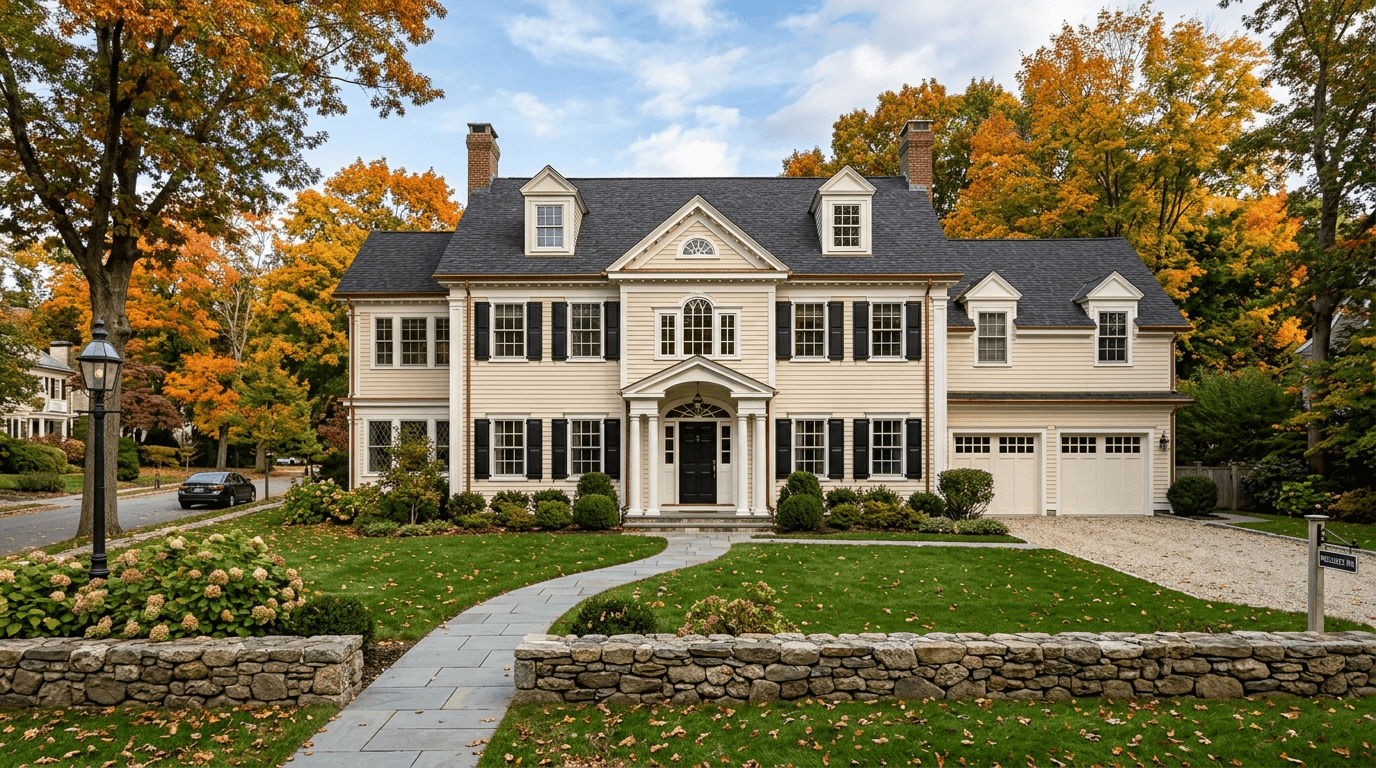
That tells us a lot. The biggest premium is no longer going to every home. It goes to homes that feel easy, clean, and ready on day one — and to the single-family segment more than to condos. Your zip code still matters, but your prep decisions can move you between price bands.
Is Greater Boston still a seller's market in July 2026?
For single-family homes, yes. For condos, not really.
Low inventory still gives single-family sellers an advantage, but low inventory alone does not guarantee your home gets the best offer.
Here's why. The 30-year fixed mortgage rate is 6.58% as of July 2026, per Freddie Mac. Many buyers now treat this as normal — Ricardo Rodriguez of Coldwell Banker described elevated rates that way in Boston.com.
When a buyer's monthly payment is already high, they have less left for renovations. A new roof or kitchen update feels heavier when the payment is already stretched. So buyers pay more for homes that need little work, and they often discount fixer-uppers by more than the actual repair cost — they're pricing the stress, contractor delays, permits, and risk.
For you as a seller, "move-in ready" is not just a nice phrase. It can affect your final sale price.
Why are buyers paying more for move-in ready homes?
Buyers want certainty, and in a high-cost market like Boston, uncertainty feels expensive. A home that needs work forces hard questions: How much will this cost? Can we find a contractor? What if we uncover more problems? Those questions reduce confidence, and lower confidence often leads to lower offers.
That is why more sellers ask, "Do I need to fix things before selling my house?" It's also why pre-listing inspections are getting attention. A pre-listing inspection means you inspect the home before it goes live, instead of waiting for the buyer to find problems later. It helps you fix small issues early and reduces the buyer's ability to renegotiate after the offer.
Speed matters too. Homes in the hottest markets sold notably faster than the national norm, per Realtor.com's March 2026 report. Prepared homes tend to land at the fast end of that range.
Is the turnkey premium just an agent sales pitch? It's a fair question, and I'll be honest: there is no single clean dollar figure that isolates the return on staging alone. What the data does show is a gap in behavior. Well-prepared single-family homes move quickly, while weaker listings sit and get discounted. The mechanism isn't a guaranteed markup — it's buyer confidence and bargaining power. A home that sells quickly gives buyers fewer reasons to chip away at your price; a home that lingers starts to look overpriced. The lesson: pricing correctly from day one beats pricing high and correcting later.
Can you still list as-is and get multiple offers?
Sometimes. But it is no longer the safest plan.
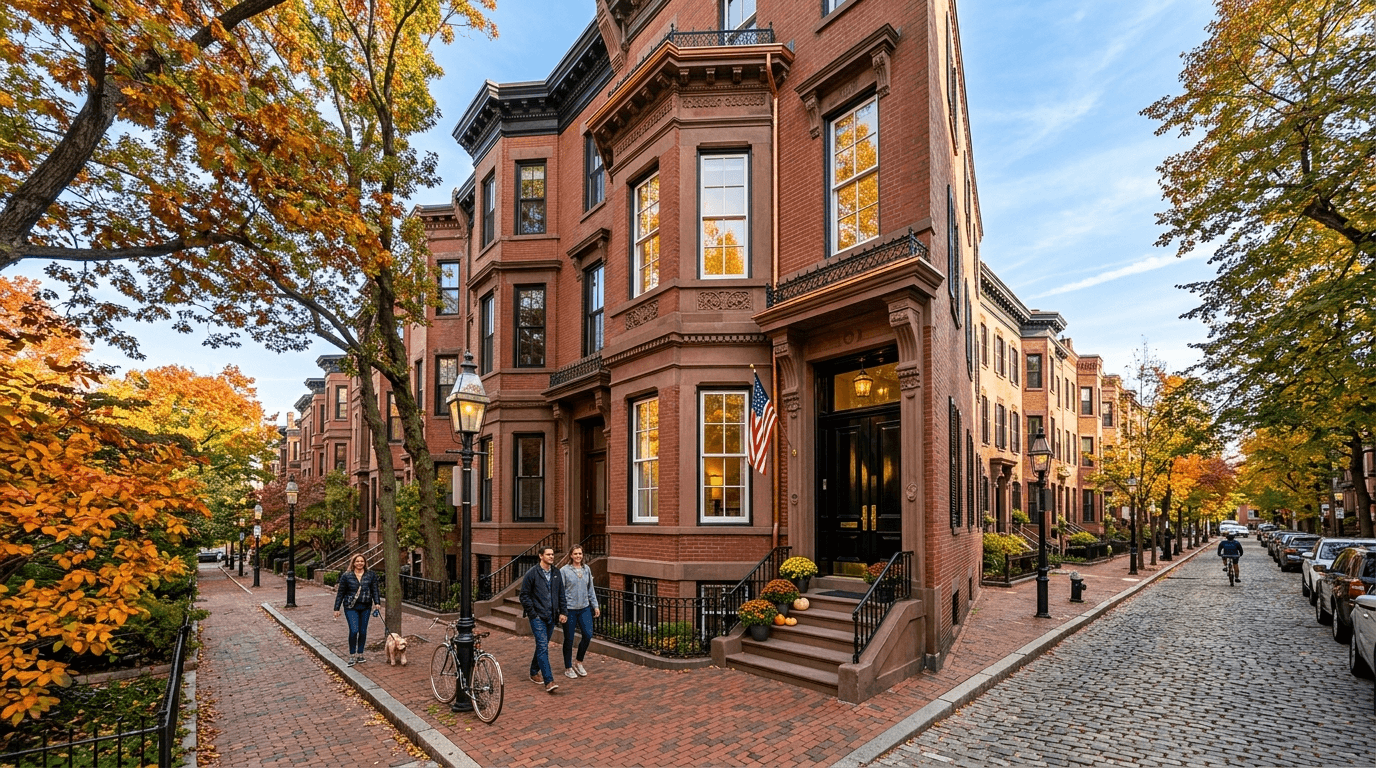
You might think tight inventory means buyers will take anything, so why spend on prep? The data says otherwise. In Midtown Boston, 12 of 14 condos closed under asking, and in the North End, 7 of 9 did.
Boston Condo Negotiation Outcomes by Neighborhood
Neighborhood condo markets where most recent closings were reported as selling under asking.
| Series | Label | Value |
|---|---|---|
| Under asking | Midtown | 12 of 14 |
| Under asking | North End | 7 of 9 |
Even in a tight market, weak positioning gets discounted. Prep changes which buyer pool and which price band you land in. Today's buyers are pickier because the cost of ownership is higher — they compete hardest for homes that feel finished.
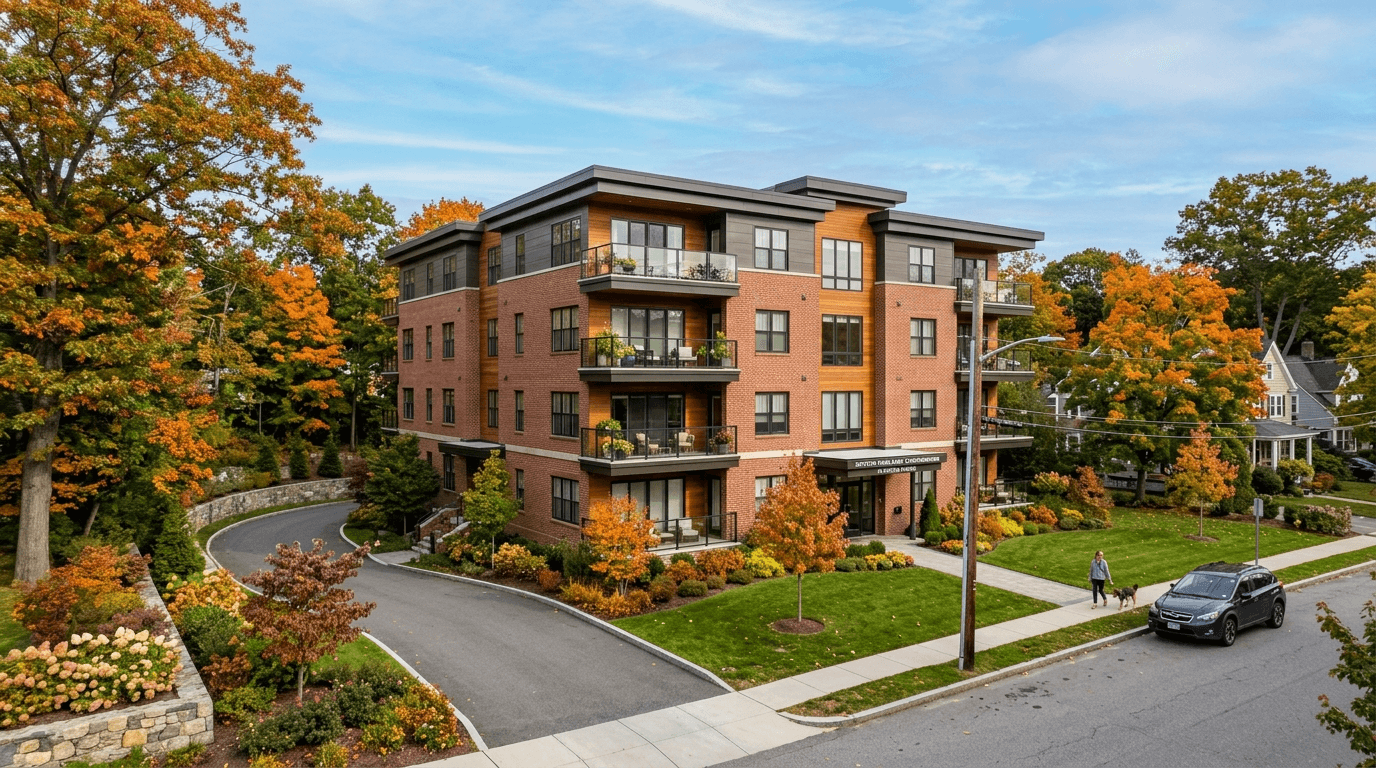
The segment split is stark. In the city of Boston, condos have 16.7 months of inventory versus 7.0 months for single-family homes.
Boston Market Snapshot by Property Type (Last 180 Days)
Headline MLS-based Boston market metrics for single-family homes, condos, and mixed property types over the last 180 days.
Single-family
Median sold price$965,000
Median days on market22
Months of inventory7.0
Condo
Median sold price$715,000
Median days on market26
Months of inventory16.7
Mixed
Median sold price$767,500
Median days on market26
Months of inventory15.3
Source:Repliers / MLSPIN
Roughly six months is a balanced market, so 16.7 months signals a buyer's market for condos, while 7.0 months keeps single-family sellers in the stronger position. Much of the condo weakness is structural oversupply, not just presentation — but within each segment, well-prepared listings still sell faster and hold price better.
There's one exception. Investors and bargain-hunters will still buy fixer-uppers. Searches like "DSCR loan investment property Massachusetts" show growing interest in multifamily deals in Somerville, Malden, and Waltham. But investors buy at investor prices. If you list as-is, you may be choosing a lower-paying buyer pool.
How does this play out in MetroWest and nearby towns?
Greater Boston is not one market. Natick is not Newton; Wellesley is not Framingham. Each town has its own buyer pool, price range, and renovation tolerance. Still, the same pattern shows up: buyers want homes that make life easier.
In strong-school towns like Natick, Wellesley, and Lexington, buyers often have busy schedules, children, and higher monthly payments. They don't want to spend the first year calling contractors. That is why "school district" and "turnkey" are increasingly connected searches.
There's also growing demand for multigenerational homes near Boston — important for some Korean-American and Asian-American families, and other households planning for aging parents or adult children. A finished in-law layout, first-floor bedroom, or flexible suite can feel turnkey because it solves a real lifestyle need.
Price also changes the psychology. Boston's median for-sale listing price sits near $829,000, more than twice Springfield's $352,500, per Realtor.com. At higher prices, buyers are already stretching, so every expected renovation dollar hurts more. A repair list running into the tens of thousands does not feel small when the buyer is already accepting a 6.58% mortgage rate.
For sellers, small upgrades have outsized impact: fresh paint, clean landscaping, repaired trim, updated lighting, better photos, light staging. These reduce buyer doubt — and doubt is expensive.
What should sellers know about rules, commissions, and buyer expectations?
Two shifts are worth watching. First, Massachusetts Senate bill S. 2947 would require fair-housing training for all agents. It passed the state Senate and heads to the House, per Realtor.com. No effective date is set yet.
Second, the market is still adjusting to recent changes in how agent commissions are handled. That's one reason sellers search phrases like "selling a house without paying commission Boston." For you, it means buyers and sellers are asking more questions about costs and representation — confirm current commission rules with your agent.
Clear marketing matters just as much. Your listing needs to answer the buyer's real questions fast:
•Is this home move-in ready?
•What updates and major systems are newer?
•Is there space for family, work, or guests?
•Is it near the schools, transit, or lifestyle they want?
If the answer is yes, say it early. Don't hide your strongest selling points in paragraph four.
What should you do before you list?
The verdict: Greater Boston favors prepared single-family sellers most, while condo sellers face real buyer leverage. To move from the fixer-priced pool to the turnkey-priced pool, start here:
•Get a pre-listing inspection. Fixing issues early removes the buyer's biggest bargaining chip.
•Handle small repairs before photos. Loose handles and peeling paint make buyers assume bigger problems.
•Use light staging. You're helping buyers understand how the home lives.
•Lead with your strongest value. If the home is move-in ready, near a strong school, or built for multigenerational living, say it immediately.
•Price from current local comps (recent sale prices of similar nearby homes). A tax assessment and true market value are not the same thing.
Has your household changed? Does the home still fit how you live? If yes, the next step isn't guessing from a national estimate. It's getting a current, street-level number for your home.
That's the work I do with sellers across MetroWest, including first-generation and Korean-American families navigating this market.
For real comps on your street, reach out to Rahel Choi, Associate Broker & REALTOR® — eXp Realty | Choice Homes MA. You can also send a DM on Instagram @rahelchoi.realtor.
The market still favors sellers — it just favors prepared ones most.